
Global Issues
Empowering women: fighting gender discrimination

After growing up illiterate, Oliva from Tanzania attended an Adults Learning Program run by Caritas Australia partner DMDD. She can now read, write and count and this has enabled her to run her small kiosk and restaurant more efficiently without people taking advantage of her. Photo: August Lucky/Caritas Australia
25%
Around the world, women aged 25 to 34 are 25% more likely than men to live in poverty.
30%
Globally, around 30% of all women who have been in a relationship have experienced physical and/or sexual violence by their partner.
45%
In Timor-Leste alone, around 45% of women reported experiencing physical violence from their husbands or partners.
What is gender equality?
Gender equality means equal rights and opportunities for women and men, regardless of their background or identity – and it is more than the absence of gender-based prejudice or discrimination. A community that practices gender equality and women’s rights has a better chance of development, whilst also reducing the prevalence of violence.
In many developing countries, women and girls are forced to perform subordinate roles because they do not have the same rights as men. They are forced to forgo their rights to education, health care, employment and being contributing members in their communities.

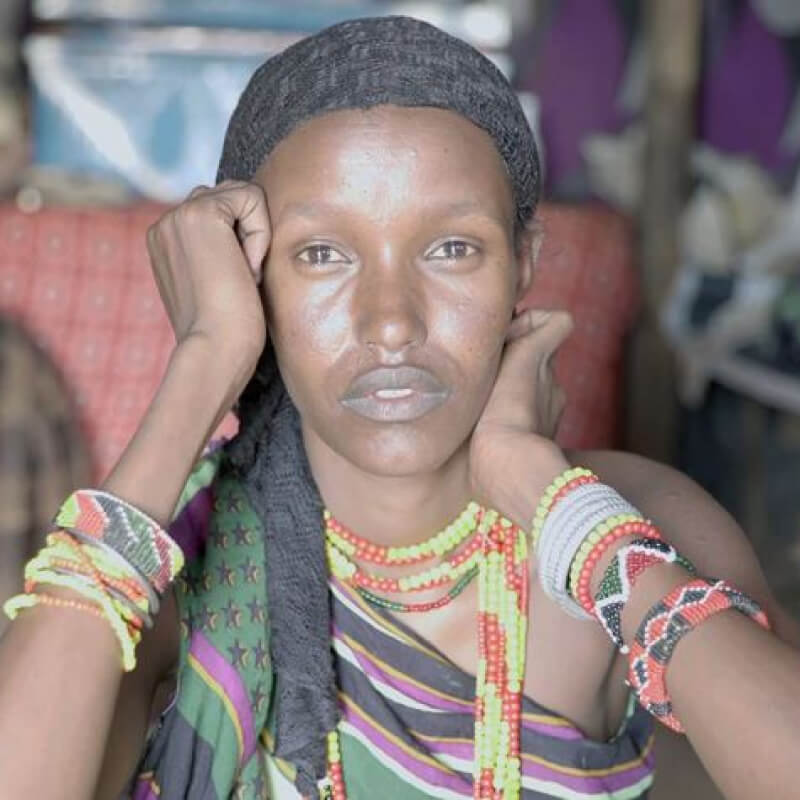
Worknesh on her farm in Ethiopia. Photo: Caritas Australia.

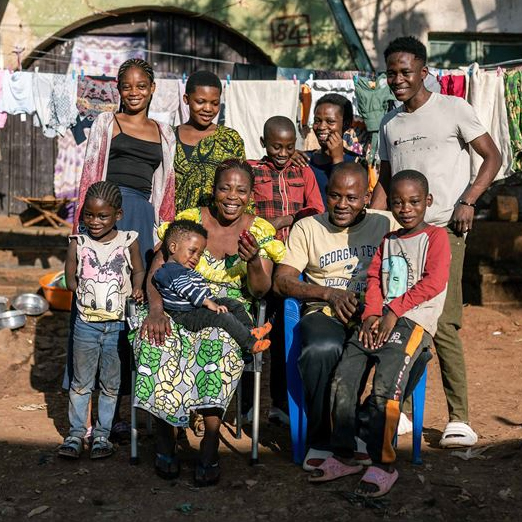
Irene poses for a portrait at her home in Kongolo, Democratic Republic of the Congo. Photo: Arlette Bashizi/Caritas Australia
What is gender-based violence?
Gender-based violence refers to physical, verbal, psychological, emotional and financial abuse that is committed against women and girls.
Women of every class, status, caste, age group or religious background can experience violence and abuse. Globally, around 30% of all women who have been in a relationship have experienced physical and/or sexual violence by their partner.
Violence and abuse against women in the family can take the form of domestic violence, sexual assault or harmful or degrading practices that are violent to and/or subordinate women.

Laxmi with her mother, Mankala, in a farm near their home in Nepal. Photo: Richard Wainwright/Caritas Australia
Women’s rights mean dignity, compassion and respect
Eliminating discrimination, working towards gender equality and advancing women’s rights, along with respect for all people irrespective of their age, culture and position in life, are key to our mission and programs.
Women and girls should have the same rights as men to access adequate food, water, shelter, sanitation, clothing, health care, education, property and participation in decision-making processes.
For women and girls living with disabilities and those from indigenous and ethnic minorities, the challenges can be even greater.
Through our partners, we are reaching girls and women living with disability in Vietnam, enabling them to challenge negative stereotypes about disability and take control of their own lives.
Women can nurture communities from the ground up
Empowerment means enabling people to accomplish their goals, upholding their rights and standing up for justice and equality.
In Africa, we are working with women farmers to overcome food insecurity while promoting gender equality. Their story demonstrates how women’s empowerment is key to a community’s development.
Women in rural communities are a force that can drive progress in their communities. In developing countries, they make up 40% of the agricultural labour force, helping produce and prepare healthy food for their communities.
A community that empowers its women reaps rewards in terms of health and wellbeing. People can focus on improving their livelihoods, while children can spend more time in school – vital antecedents to a thriving society.

Women in a rural community in India. Photo: Sameer Bara/Caritas Australia

A local weaving workshop at Djilpin Arts in NT. Photo: Cassandra Hill/Caritas Australia.
Women are powerful agents of change
Women and girls represent half of the world’s population and play key roles in improving productivity, sustainable development and economic growth here in Australia and around the world.
In First Australian communities, with Caritas Australia’s support, female elders are playing a key role in reaching out and driving change amongst both the young and old. They are creating momentous, positive reform and are powerful examples of how empowered women can change society and the world.
Empowered women can make a global impact
When natural disasters strike, women and girls in vulnerable communities are at an increased risk of experiencing food and water insecurity, displacement and often shoulder the burden of recovery and re-building.
We are supporting women to learn how to use sustainable farming techniques and disaster risk management to help to protect their communities and to reduce the impact of environmental changes.

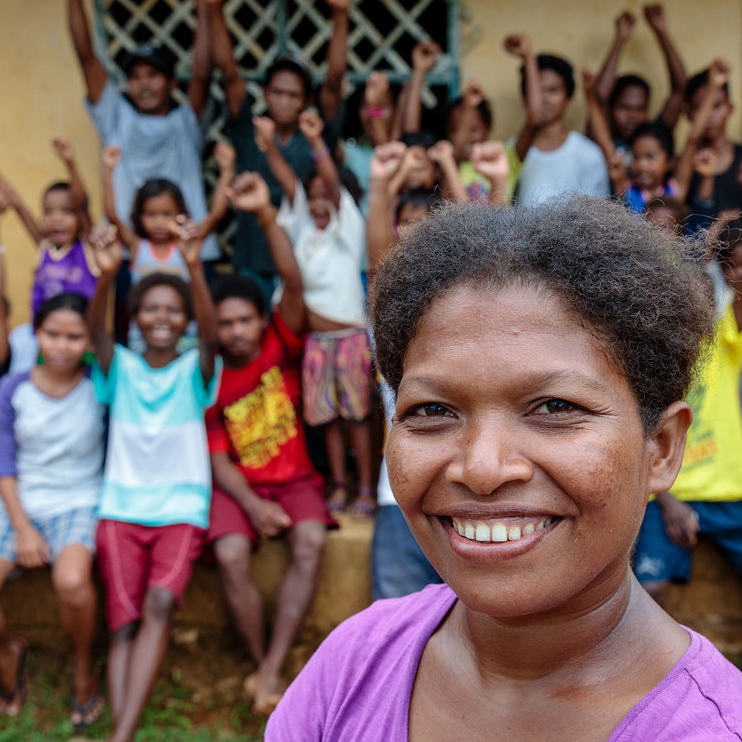
Nimol is helping protect her community in Cambodia from the impacts of climate change. Photo: Kimheang Tuon