

The aftermath of Typhoon Rai, which struck the Philippines in December 2021. Photo: Caritas Philippines
Thousands of people in the Philippines are in dire need of humanitarian support after a typhoon struck the South East Asian nation on 17 December 2021.
Typhoon Rai brought torrential rain, wind gusts over 200 km/h, flash floods, landslides and extensive damage to homes and livelihoods across five regions in Philippines.
At least 375 people have been killed and approximately 1.8 million people have been directly impacted by what is considered the worst typhoon to hit the country since Typhoon Haiyan in 2013, which killed over 6,300 people.
- Over 600,000 people evacuated
- Roads are impassable due to flooding and fallen trees
- Many communities are now stranded without power, telecommunications and clean water
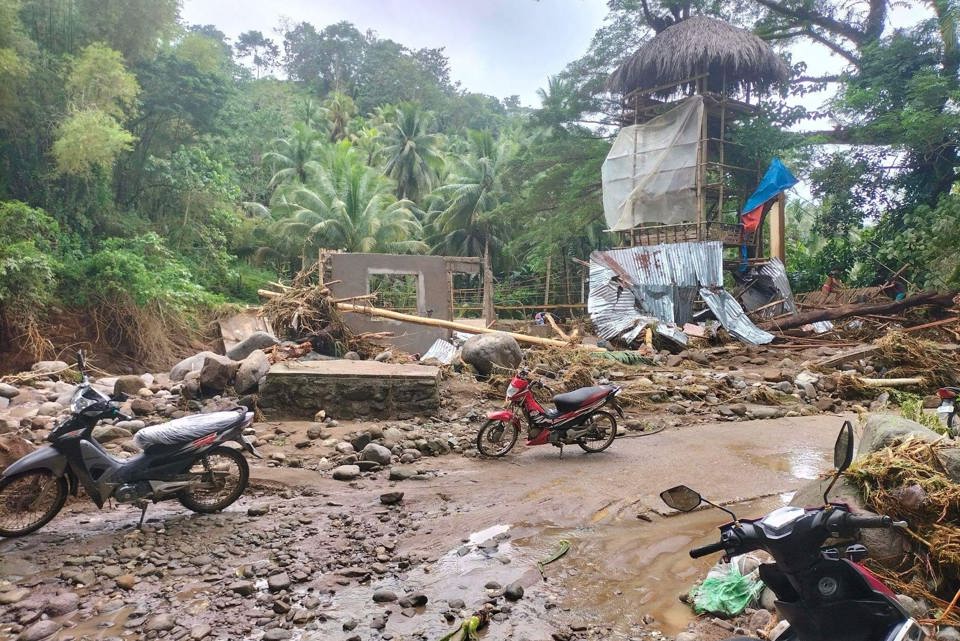
Destruction after Typhoon Paeng in the Philippines. Photo: Caritas Philippines.
Our partner Caritas Philippines is currently assessing needs on the ground in the affected areas. Caritas Australia has pledged to aid the Philippines through the Asia Emergency Appeal, to support the emergency response and rebuilding efforts.
According to Caritas Australia’s Global Humanitarian Emergencies Lead, Aloysius Canete, there are already major shortages caused by supply-chain disruptions, and healthcare services are overwhelmed and operating at full capacity.
Reports have also shown that some communities might be waiting for weeks for their power and other basic utilities to be restored, which can potentially lead to food and water insecurity.
The immediate needs currently identified include:
- Food (ready-to-eat meals)
- Drinking water and Water, Sanitation and Hygiene (WASH)
- Shelter support
- NFIs and cash assistance
- Healthcare, medicine, PPE
- Fuel, electricity and telecommunications restoration.
“More than 1.8 million people have been directly impacted, and a lot of these people are currently living below the poverty line – which in the Philippines is the low figure of USD $3.20 a day,” says Aloysius. “At least 400,000 will need urgent relief for shelter, food, clean water and medicine.”
“Very strict and long-running lockdowns have also left families with large amounts of lost income over the past two years, and they have much less money and resources to rebuild than they normally would.”
“This typhoon was the worst so far in 2021, and it’s really tough for communities to rebuild during a pandemic because everything becomes more complicated – getting to impacted communities and providing emergency supplies quickly and safely is so much harder.”
"It is not just the days after a typhoon that are difficult - the recovery process can stretch weeks, months, and in many cases, even years. I anticipate that the recovery from this typhoon will be long and difficult, and require a lot of coordination and effort from our partner Caritas Philippines, the government, and other local and international organisations.”
“Thankfully, the Caritas Philippines Humanitarian Team was monitoring the typhoon three days before it landed, and they were in contact with our church network to get information out to communities to prepare for the typhoon - including setting aside churches as evacuation centres. The Philippines is a strongly Catholic country, which means that working through church networks is an effective way to reach communities who live in remote areas, or very poor communities that might not have a lot of access to resources.”

Staff at Palo's multi purpose office building supporting evacuees during Typhoon Rai. Photo: Caritas Palo
Your support can make a world of difference to those affected by Typhoon Rai. Please donate now.